Los Angeles is one of the most commercially active cities in the United States, drawing corporate travelers to industries spanning entertainment, tech, finance, and international trade. Whether your meetings are in the San Fernando Valley, near the port, or scattered across the metro, choosing the right business hotel in LA determines how much time you spend commuting versus working. This guide breaks down five practical options across key LA districts so you can make a fast, informed booking decision.
What It's Like Staying in Los Angeles for Business
Los Angeles is a sprawling metro with no single central business district - corporate activity is distributed across Downtown, the Westside, the San Fernando Valley, and the harbor area. Traffic on the I-405 can add over an hour to what looks like a short drive on the map, which makes hotel location relative to your meeting points the single most important booking variable. Business travelers who underestimate LA's distances often lose significant productive time each day.
Public transit exists but is not the default for most corporate itineraries - ride-share and rental cars dominate. Hotels near freeway access points or specific employment corridors are worth prioritizing over proximity to tourist landmarks.
Pros:
- Major airport hubs (LAX, Burbank, Long Beach) with frequent direct connections to national and international business destinations
- Diverse business districts across the metro mean strong hotel options near most meeting zones
- Year-round mild climate eliminates weather disruptions to schedules
Cons:
- Traffic congestion is severe during peak hours, particularly on the I-405 and I-101 corridors
- No single walkable CBD - most business travelers need a vehicle or ride-share for every trip
- Hotel pricing spikes during award seasons, major conventions, and summer months
Why Choose a Business Hotel in Los Angeles
Business hotels in Los Angeles are positioned strategically near freeway interchanges, airports, and corporate corridors rather than tourist hotspots - which is exactly what a work traveler needs. Free parking is a meaningful differentiator in LA, where daily parking fees at downtown hotels can reach around $50, adding up fast on multi-night stays. In the San Fernando Valley and suburban corridors, business-oriented properties typically offer more room space, in-room workstations, and free hot breakfast - features that trim daily expenses on extended trips.
Compared to boutique or lifestyle hotels concentrated in Hollywood or Santa Monica, business hotels in LA deliver operational consistency: reliable WiFi, 24-hour front desks, and fitness centers without the premium markup tied to design aesthetics.
Pros:
- Free parking at most suburban business hotels eliminates a major daily cost in LA
- Hot breakfast included at several properties cuts per-diem spending
- Fitness centers and extended-stay amenities support multi-night work trips
Cons:
- Properties near airports or freeways can have elevated noise levels, especially for light sleepers
- Fewer walkable dining options compared to hotel clusters in West Hollywood or Downtown
- Business hotels in LA's outer districts are rarely convenient to more than one part of the city simultaneously
Practical Booking & Area Strategy for Business Travelers in LA
The San Fernando Valley - specifically the Sherman Oaks and Woodland Hills corridors along Ventura Boulevard - is a smart base for meetings across the Valley, with quick freeway access to both the I-405 and US-101. Sherman Oaks places you within driving distance of Universal Studios, Burbank studios, and the Sepulveda Pass, making it one of the most strategically central zones in the metro for business travel. For travelers with meetings near the port or Long Beach, Wilmington provides direct access without the congestion of the urban core.
North Hollywood is the right call for anyone splitting time between Burbank Airport and the entertainment industry campuses along Lankershim Boulevard. Book at least 3 weeks in advance for weekday stays during Q1 and Q4 - these are peak periods for LA's entertainment and tech deal cycles. Attractions like the Getty Center, Universal Studios, and the Santa Monica Pier are accessible for after-hours client entertainment from most of these districts, though always factor in around 45 minutes of transit time when planning evening outings across the metro.
Best Value Business Hotels in Los Angeles
These properties deliver strong functional amenities - free parking, breakfast, reliable WiFi, and freeway access - at a price point that keeps corporate travel budgets in check across the LA metro.
-
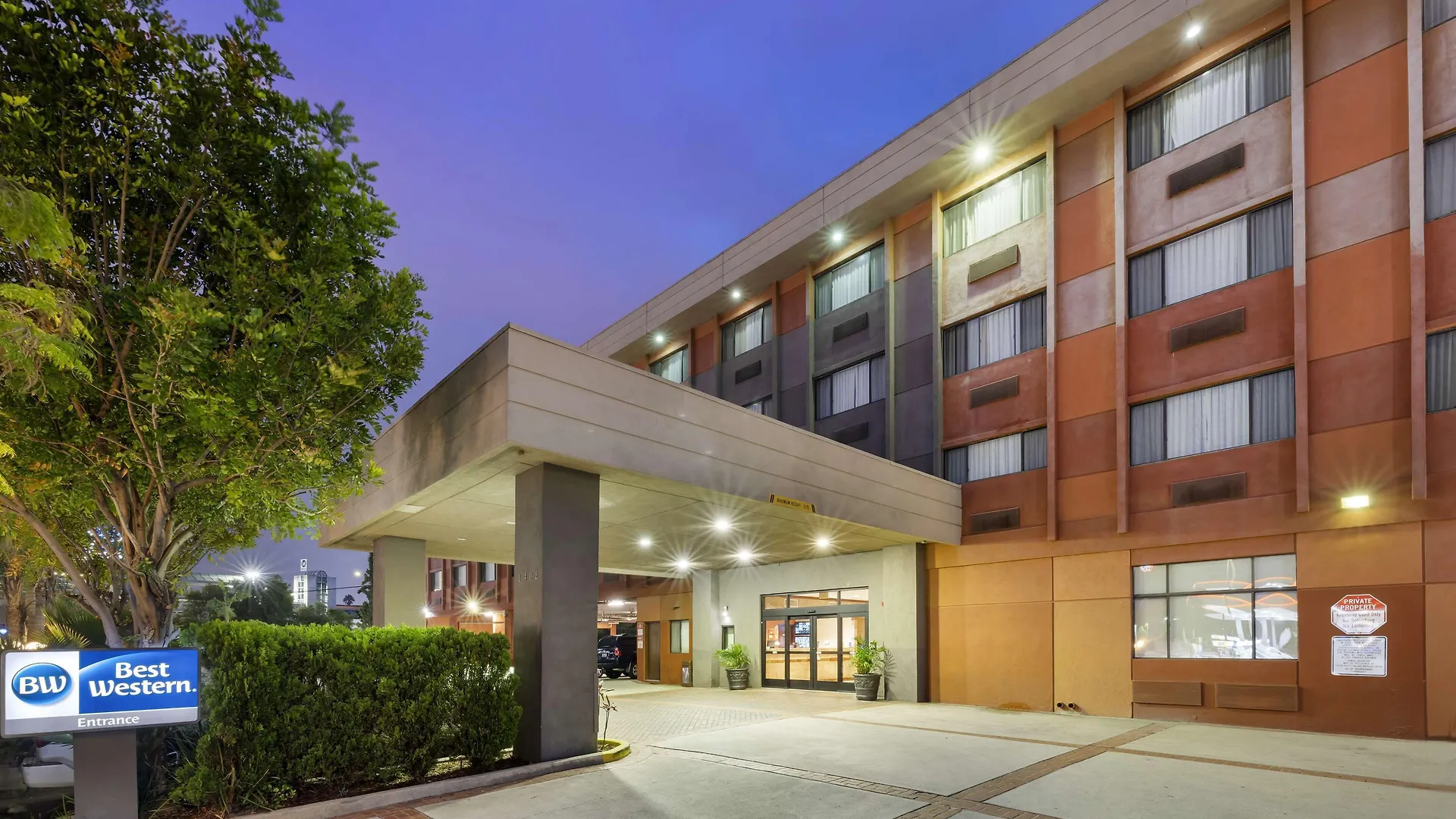
1. Best Western Los Angeles Worldport Hotel
Show on map


 Check-infrom 15:00 until 23:59Check-outuntil 11:00
Just a few rooms left at the best rate!
fromUS$ 113
-
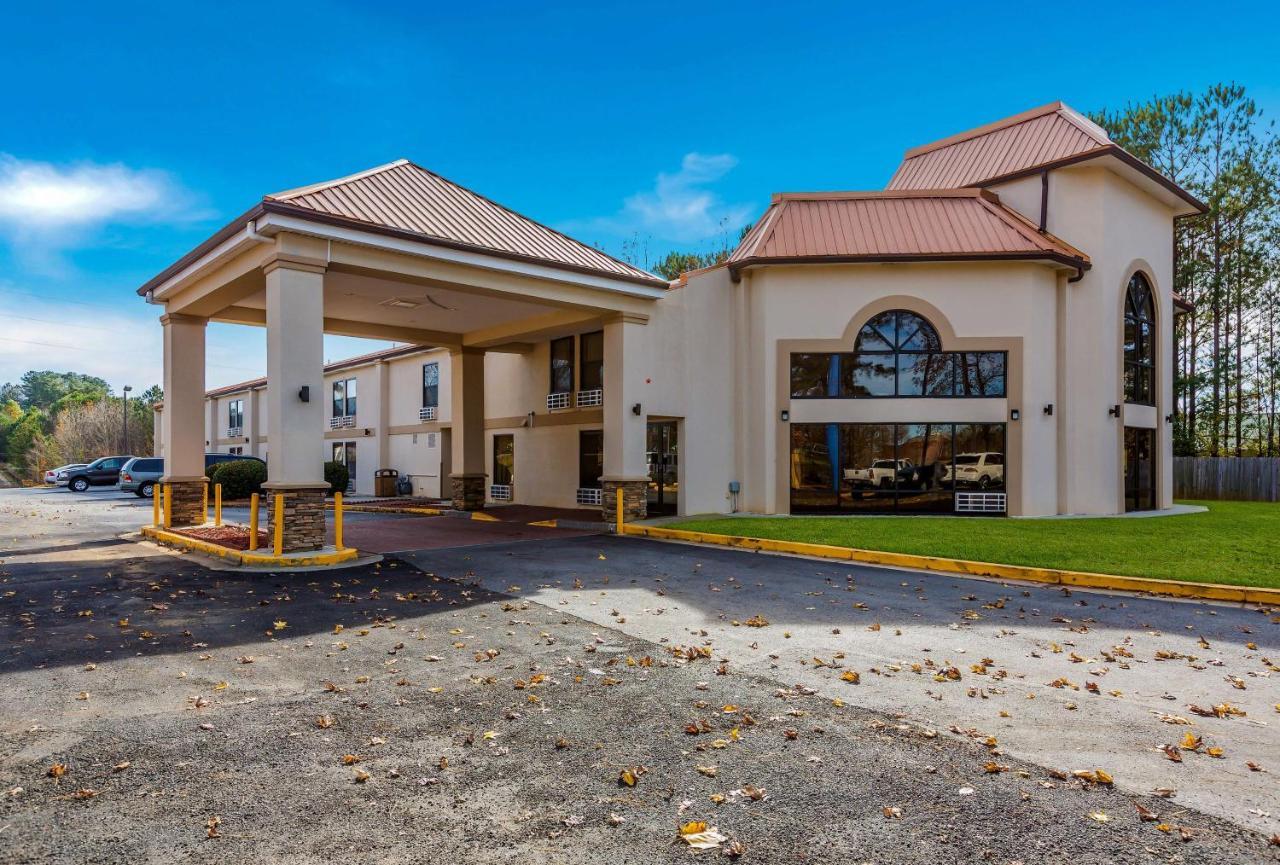
2. Best Western Burbank Airport Inn
Show on map


 Check-infrom 15:00 until 23:59Check-outuntil 11:00
Just a few rooms left at the best rate!
fromUS$ 86
-
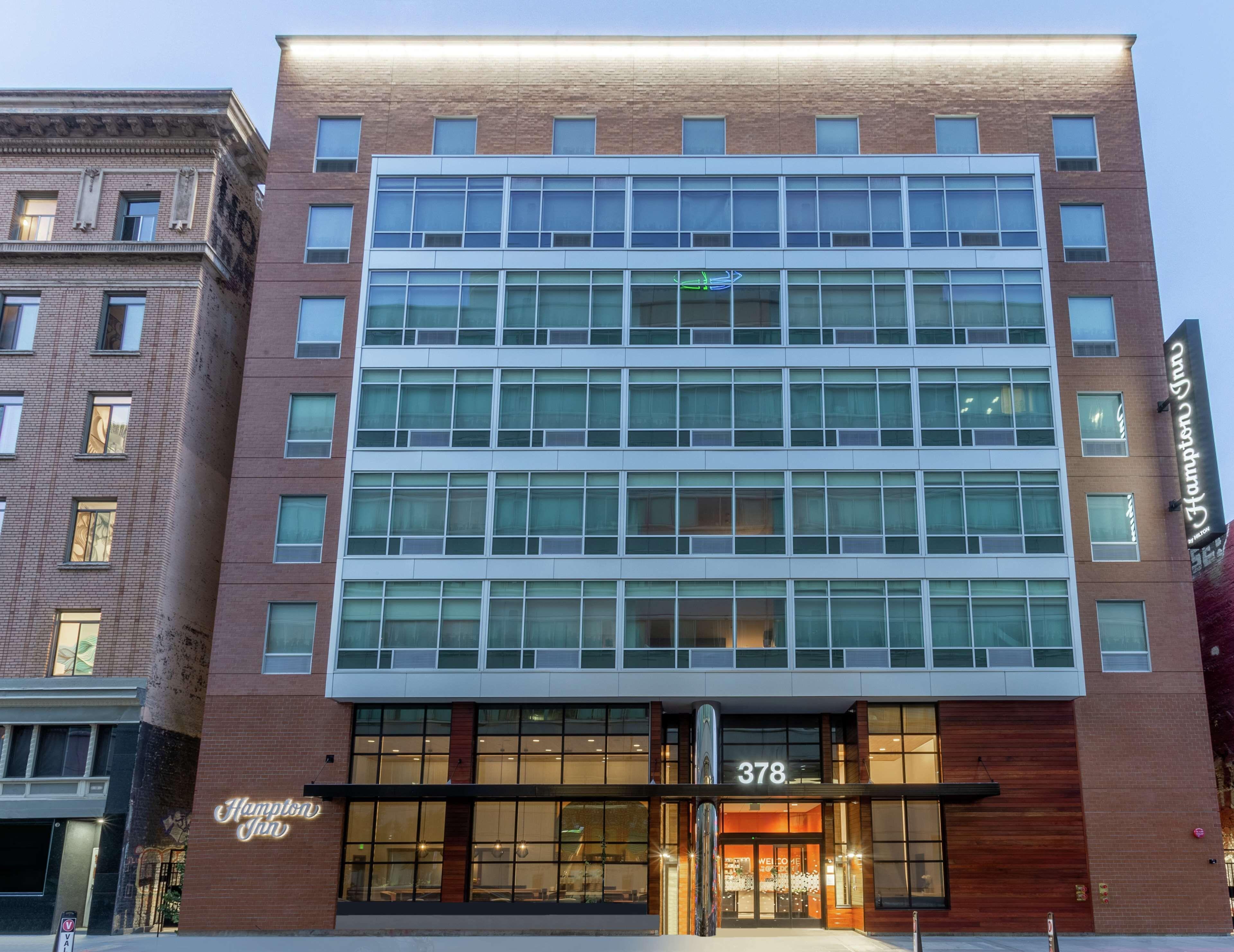
3. Hampton Inn & Suites Los Angeles/Sherman Oaks
Show on map


 Check-infrom 15:00 until 23:59Check-outuntil 11:00
Hurry – almost gone at this price!
fromUS$ 157
Best Premium Business Hotels in Los Angeles
These properties add elevated amenities - indoor pools, restaurant and bar access, balcony rooms, and extended-stay suite configurations - suited for longer corporate stays or client-facing travel where comfort and presentation matter.
-
4. Home2 Suites By Hilton Woodland Hills Los Angeles
Show on map


 Check-infrom 15:00 until 23:59Check-outuntil 11:00
Hurry – almost gone at this price!
fromUS$ 140
-
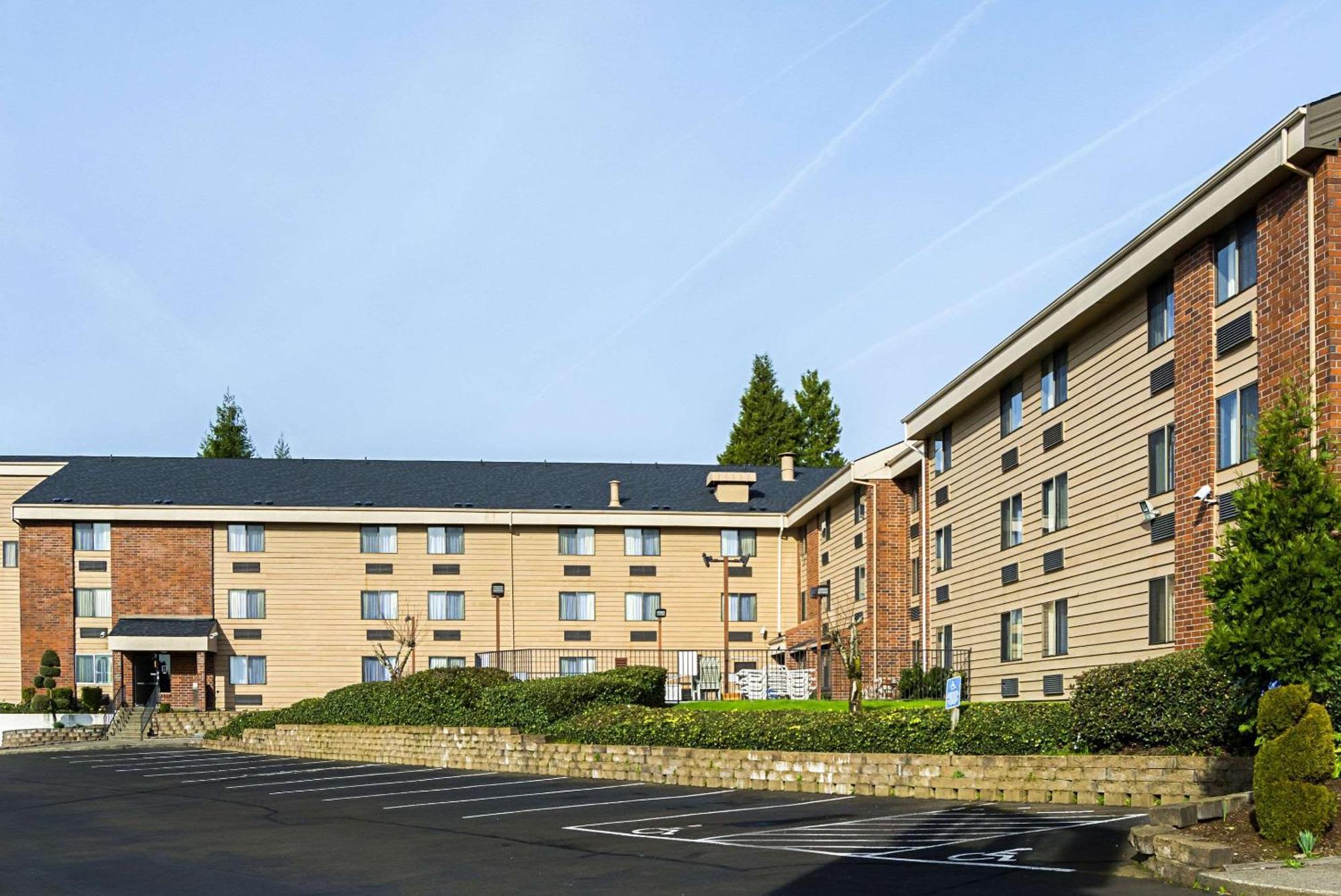
5. Best Western Plus Carriage Inn
Show on map


 Check-infrom 15:00 until 23:59Check-outuntil 12:00
Rooms filling fast – secure the best rate!
fromUS$ 137
Smart Travel Timing for Business Trips to Los Angeles
Los Angeles business travel peaks during January through March and September through November, driven by industry conference cycles in entertainment, tech, and finance. Hotel rates in the San Fernando Valley and port-adjacent areas spike around 35% during these windows, so booking 4 weeks in advance is the minimum lead time for competitive rates. July and August bring leisure crowds that fill hotels citywide and strain ride-share availability, which directly impacts corporate transit reliability - a secondary but real consideration.
February and October are the months where LA business travel volume and pricing create the sharpest imbalance - high demand but fewer alternative options. The quietest and most cost-effective booking windows are late November and early January, when the city sits between holiday and awards season cycles. For most business trips, three to four nights is the optimal stay length to cover meeting schedules without accumulating diminishing returns on extended hotel costs. Last-minute bookings in LA rarely yield discounts - the market is too liquid and demand too consistent for that strategy to work reliably.